Classic Vintage Apparel: Trendy Classic Apparel
Discovering the Chronicle of Vintage Fashion: A Journey Through Iconic Styles and Movements
The history of classic apparel reveals a collection of styles that reflect societal shifts. Each era brought forth distinct trends, from the flapper garments of the 1920s to the power suits of the 1980s. These fashions not only defined individual style but also emphasized cultural movements. As one examines the development of these iconic appearances, the influence on modern apparel grows more apparent, prompting questions about the cyclical nature of style.
Period Style in the Roaring Twenties: Flapper Frocks and Jazz Generation Elegance
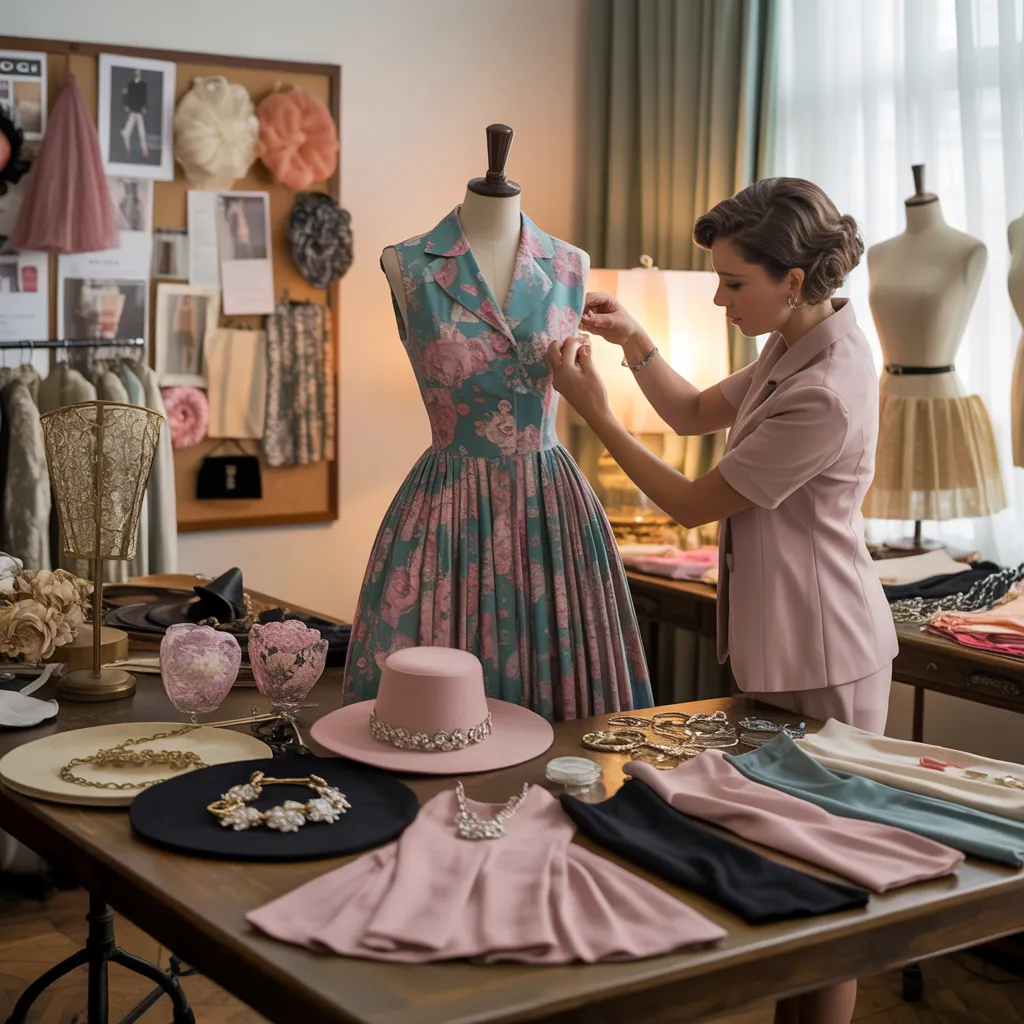
The Roaring Twenties marked a transformative era in fashion, defined by the appearance of flapper dresses and the energy of Jazz Age glamour. This period observed women embrace a more free-spirited lifestyle, shown in their clothing choices. Flapper dresses, often adorned with fringes and beads, displayed drop waists and loose silhouettes, allowing for freedom of movement on the dance floor. The iconic bob haircut complemented this new style, denoting rebellion against traditional femininity.
Fashion became more accessible due to mass production, with department stores providing ready-to-wear garments. Bold colors, geometric patterns, and luxurious materials like silk and satin defined the aesthetic of the time. Accessories such as cloche hats and long pearl necklaces finished the flapper look, emphasizing a modern, youthful spirit. This vibrant fashion movement not only transformed women's attire but also challenged societal norms, opening doors for future generations in the domain of style and self-expression.
1930s Trend: Hollywood Elegance and Tailored Styles
As Hollywood rose to prominence in the 1930s, fashion began to reflect the allure and grace of the silver screen. The decade epitomized refined shapes, marked by bias-cut gowns that hung beautifully over the body, accentuating curves. Iconic actresses like Jean Harlow and Greta Garbo represented this aesthetic, often adorned in sumptuous textiles such as silk and satin.
Tailored looks developed, accentuating sharp contours and precision. The popularity of the tailored suit for women marked a considerable shift, denoting strength and a break from conventional beauty standards. Designers like Madeleine Vionnet and Elsa Schiaparelli defied norms, introducing experimental designs and daring tones.
Cloche hats and statement accessories were vital additions that enhanced the refined aesthetic. This time period created a standard of sophistication that influenced style for years, imprinting an indelible impression on the trajectory of vintage fashion.
1970s Looks: Groove, Graphics, and Bohemian Energy
Bold and lively, the style of the 1970s embraced a mix of disco flair, diverse prints, and hippie influences. This era represented a significant shift from the rigid styles of earlier decades. Disco culture ruled nightlife, influencing outfits adorned with sequins, metallic fabrics, and tight silhouettes. As dance floors pulsed with music, bell-bottom pants and platform shoes became essential wardrobe staples.
During the concurrent era, boho fashion rose, conveying a less rigid, free-spirited worldview. Billowing full-length skirts, crochet tops, and wide-brimmed hats conveyed the heart of the youth rebellion. Warm, natural colors and vibrant patterns blossomed, frequently incorporating paisley and floral motifs that mirrored a link with natural surroundings.
Prints consisted of structured patterns to kaleidoscopic designs, highlighting unique creativity. The 1970s defined a transformative period in fashion, where personal style blossomed and societal shifts shaped the aesthetic landscape, generating an permanent influence that remains influential for contemporary designers.
1980s Looks: Eye-catching Jackets and Bold Tones
Fashion in the 1980s was defined by power suits and bright hues, marking a significant change in both aesthetic and social norms. This era witnessed the development of tailored silhouettes, regularly accentuated with expansive shoulders and striking lapels, symbolizing a growing confidence among professional women in the professional environment. Designers like Giorgio Armani and Claude Montana popularized these dramatic pieces, which were regularly matched with eye-catching accessories, like large jewelry and chunky belts.
The color palette of the decade was equally bold, presenting neon hues and bright pastels that delivered energy and optimism. Fashion transcended simple garments; it was a declaration of empowerment and individuality. The influence of mainstream entertainment, significantly via broadcast and musical content, additionally promoted these styles, establishing strong tailored wear as a vital staple for all genders. The 1980s ultimately modified traditional fashion views, honoring a unique combination of professionalism and personal expression.
1990s Reminiscence: Grunge and Antique Comeback
In the 1990s, the grunge aesthetic signified a noteworthy departure from previous fashion trends, embracing a more relaxed and anti-establishment vibe. This shift not only affected individual style but also caused a revival of vintage clothing, as people sought authentic pieces from past decades. The relationship between grunge and vintage has molded contemporary fashion, highlighting the recurring nature of style.
The Grunge Aesthetic Uprising
During the 1990s nostalgia that evaluation dominates contemporary culture, the grunge style has surfaced as a significant influence in the resurgence of vintage fashion. Defined by its rebellious spirit, grunge derives inspiration from alternative rock and youth movements of the era. Key elements comprise oversized flannel shirts, distressed denim, and combat boots, creating a laid-back yet edgy vibe. This aesthetic speaks to a desire for authenticity and individuality, standing apart sharply with the polished looks of previous decades. Social media platforms have facilitated this resurgence, allowing vintage finds and DIY fashion to thrive among younger generations. As consumers embrace thrift culture, the grunge aesthetic not only celebrates a bygone era but also encourages sustainable fashion practices in the modern landscape.
Vintage Resurgence Influence
While yearning for the 1990s continues to mold contemporary style, the resurgence of vintage fashion surpasses mere trend revival. This movement demonstrates a deeper cultural longing for authenticity and individuality, as younger generations seek connections to past aesthetics. The grunge look, characterized by thrifted flannel shirts, distressed denim, and combat boots, has seen renewed popularity, symbolizing a rebellion against polished mainstream fashion. Style leaders and fashion experts alike draw inspiration from iconic styles, merging them with modern sensibilities. This vintage resurgence not only reinvigorates old silhouettes but also encourages sustainable practices by promoting second-hand shopping. Ultimately, the influence of vintage fashion serves as a bridge between eras, allowing individuals to express their identities through a tapestry of styles and stories.
How Does Heritage Fashion Styles Direct Today's Trends?
What role does old-school style play in shaping contemporary styles? Retro garments acts as a substantial font of inspiration for modern designers and fashion enthusiasts alike. Elements from bygone eras, like the bold prints of the 1960s, the tailored silhouettes of the 1950s, and the bohemian flair of the 1970s, often reemerge in contemporary collections. Designers tend to reinterpret these styles, fusing them with contemporary sensibilities to craft fresh looks that speak to today's consumers.
Furthermore, digital platforms play an essential role in restoring vintage trends. Influencers and fashion bloggers showcase vintage-inspired outfits, inspiring their followers to embrace retro styles. This phenomenon has generated a greater acceptance of diverse fashion expressions, allowing to mix and match vintage pieces with modern attire. Ultimately, the cyclical nature of fashion guarantees that vintage influences remain integral to the evolution of contemporary style narratives.
Pairing Vintage Pieces Into Your Collection: Tips and Tricks
Blending retro garments into your wardrobe can elevate personal style and develop individual looks. First off, one should recognize vintage items that appeal to their aesthetic, whether it's a 1970s bohemian dress or a classic 1950s blazer. Mixing these pieces with modern wear can achieve a even aesthetic; for example, combining a vintage skirt with a modern top ensures a harmonious blend.
Accessorizing is important—period accessories or a vintage purse can improve an outfit without overdoing it. Additionally, prioritizing proper sizing is critical; adjusting antique pieces can ensure they complement the modern silhouette.
Shopping at discount clothing stores or vintage boutiques allows for the discovery of one-of-a-kind pieces. In the end, confidence is indispensable when incorporating vintage trends; wearing these selections with self-confidence will showcase personal flair and originality. By following these recommendations, individuals can seamlessly integrate vintage fashion into their everyday attire.
Popular Asked Questions
What Defines "Vintage" Style Versus Other Styles?
Vintage fashion represents genuineness, era, and historical importance, typically featuring styles from at least 20 years prior. It differs from contemporary fashion, which prioritizes current trends and innovations over historical context.
What Approaches Should I Take to Determine Genuine Vintage Pieces?
True classic pieces can be identified by examining labels, stitching techniques, fabric quality, and aesthetic features. Additionally, investigating period style traits and getting professional advice can help guarantee the legitimacy of the garments.
Are there vintage fashion gatherings or exhibitions to attend?
Abundant vintage fashion exhibitions and bazaars transpire globally, presenting original garments. Guests can explore local markets, country-wide celebrations, and specialized trade shows, letting aficionados to connect, browse, and appreciate eclectic aesthetics from assorted decades.
What Aspects Should I Keep in Mind When Tending to Vintage Clothing?
When looking after classic apparel, one should evaluate textile variety, appropriate washing techniques, climate control, and avoiding sun exposure. Regular inspections for damage and delicate care can protect the piece's structural soundness and life expectancy.
How Do Different Cultures Shape Vintage Fashion Trends?
Multiple societies influence vintage fashion trends through distinctive fabrics, conventional designs, and historical garments. This connection generates a rich tapestry of styles, enabling contemporary designers to reimagine and celebrate diverse cultural heritages in modern fashion.